An Eye for the Good Stuff
Tips to develop your eye to find quality antiques and vintage amongst the topsy-turvy hoard in thrifts, consignments, and estate sales!
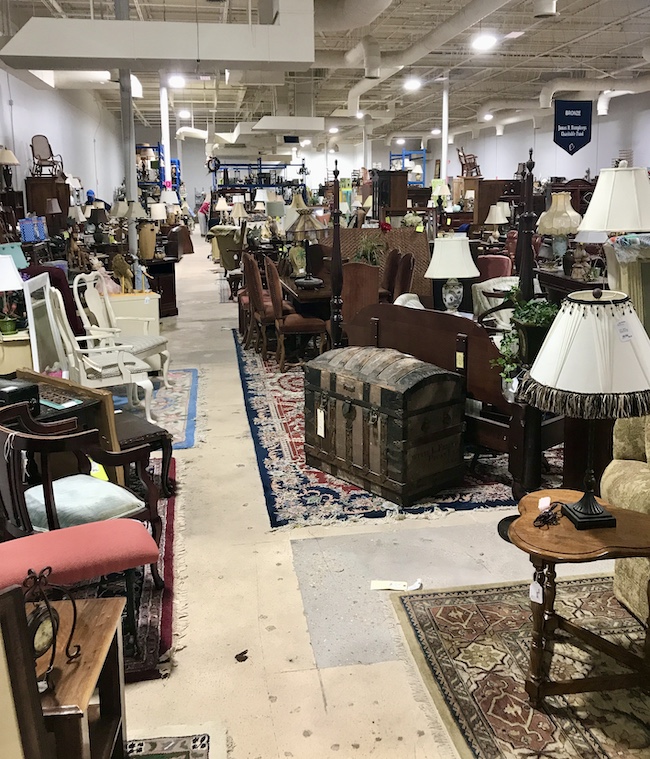
This can be such a frustrating maxim that experts in the antiques field throw out like confetti. As frustrating as it may be to hear when you start out collecting or selling antiques that doesn’t change the fact it’s the honest truth.
Training your eye for valuable antiques comes from experiencing them first hand and from working with “the good stuff” directly! The good news…anyone can do this! It is not an innate trait or talent.
After years and years of shopping secondhand, I can go into an absolute junk hole stand back and scan sections at a time to find the diamond in the rough. I have used the methods below to train my eye to pick out those quality ceramics, fabrics, and furnishings that are sought after and valuable. You can too!
What do I mean by “training your eye”?
It takes repetitive visual exposure and tactile experience to develop the muscle memory of recognition.
Repetitive Visual Exposure + Repetitive Tactile Experience = Recognition
Just like baking a cake or learning to knit, your mind, eye, and hands have to learn the process and recognize when it is done right and when it is not.
In terms of “the good stuff” your mind, eye, and hands have to learn what is the right look, color, shape, texture, and weight of a certain antique. Recognize when those elements come together to create a well made authentic ceramic, for example, or merely a reproduction.
This might surprise you….
I definitely credit the early development of my eye to the American Girl Dolls. I was obsessed with Felicity and Samantha – both from periods and styles in dress and furnishings that I still love to this day. This served as a solid visual introduction, but my real training truly started with my degrees in history, art history, and museums.
Classes weren’t the most important learning tool though. Experiential learning was. I went on countless field trips to museums and historic houses. I interned with professionals. I attend conferences and study programs. Each and every one of these opportunities gave me a behind-the-scenes look at and/or hands-on experience with valuable antiques.
If you are a student, do not miss these valuable learning opportunities. Don’t worry though if you are past this stage, you can still develop your eye for “the good stuff “with some dedication.
How to train your eye…
Start by improving your knowledge
For the antiques you want to collect focus on:
- Understanding the characteristics of those style periods;
- Recognizing materials;
- Observing proportion and shape;
- Distinguishing the correct maker’s marks.
More often than not the materials and subtle details like proportion are what distinguish a quality piece from a reproduction or knock-off. Familiarize yourself with the look and feel of the quality materials used in the decor or furnishings you collect. Learn how to distinguish them.
For more on authenticating valuable antiques check out my guide here!
Develop a visual memory of “the good stuff”:
Explore Quality Auction Houses
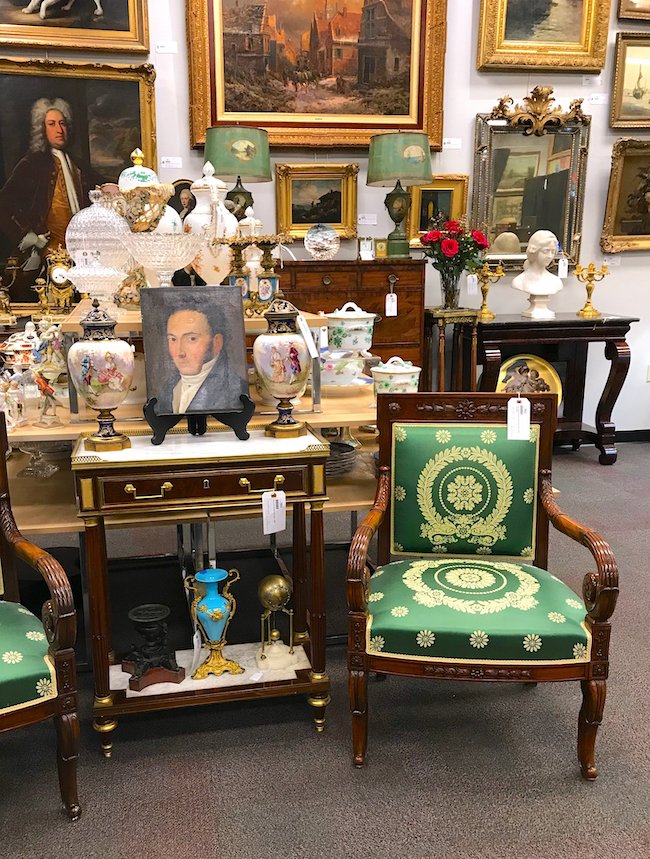
Acquaint yourself with top-tier and trustworthy regional auction houses that sell investment quality antiques and vintage. Their catalogs and auction previews are the perfect playground to learn. Most companies these days are putting the full or a quality abridged catalog on the web. You can explore tons of professionally photographed and expertly described curios anytime you want for free.
Check out their auction schedule and plan to attend their preview events. At previews curators or subject matter experts will be on hand to answer questions and show you the available lots. The best part: you can touch “the good stuff”!
You are probably familiar already with the top-tier houses: Christie’s, Sotheby’s, maybe Phillips, Bonham, or Doyle. Down the rung, but definitely notable: Freeman’s|Hindman, Swann, Heritage. These houses have reputations and steady sales records.
If one of these houses is not within easy travel distance, look into the regional houses near you. To determine if they are knowledgeable and trustworthy, check their websites to see if they have accredited appraisers on staff (you’re looking for ISA or AAA credentials), experts with advanced degrees, a high sales record per year, transparency and objectivity in photography and descriptions.
Frequent Your Local High-end Antiques Shops
You’ve probably got an amazing antique store in your backyard, if not two or three. Shop them and talk with the store owners.
Express an interest in their store and knowledge. Most store owners and collectors, love what they sell and love talking about it, especially to people with the same interests. Be polite and persistent, it may take a few visits and a purchase or two to get them to open up.
Here are some questions to start the conversation:
- What makes this item worth more than another?
- What versions are most sought after?
- How was this made?
- How was this originally used?
- Were a lot of these made?
- How can you tell a reproduction from the original?
Become a Museum Goer
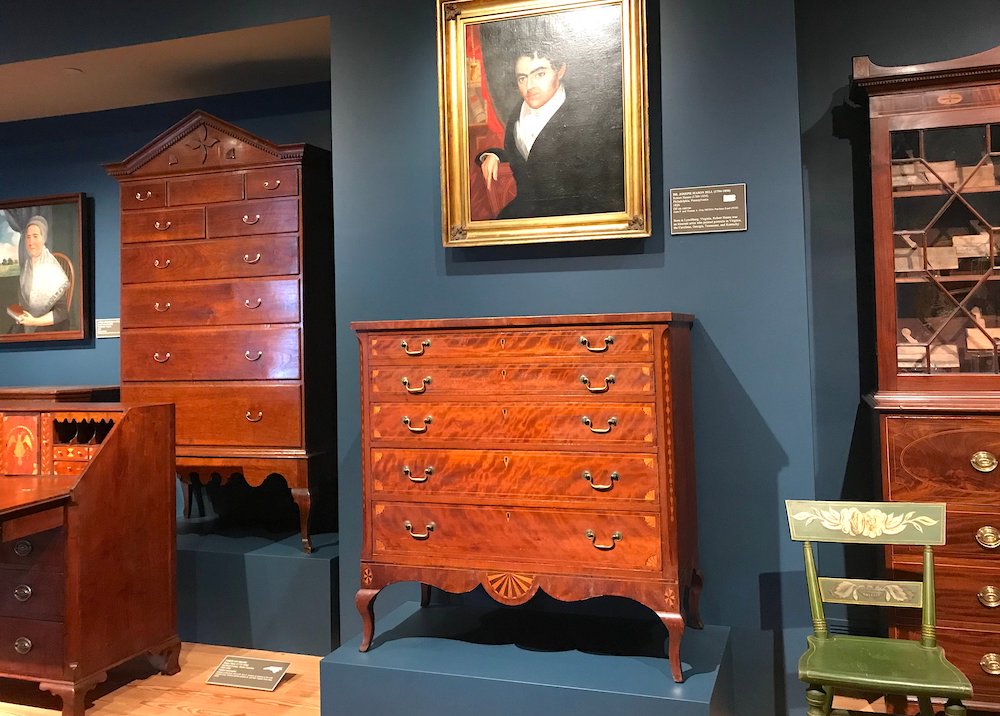
Seek out and explore your local history and art museums or historic houses. These are literally the treasure troves of valuable decorative arts! Go to learn, be inspired, and take lots of notes and photographs where possible. Remember no flash!
Look at the museum’s roster of events. When do curators give tours and lecture programs? Attend! Attend! Attend!
Join With Fellow Connoisseurs
Find a connoisseurs club or society in your niche. Museums, historic houses, and specific arts or antiques often have collector’s circles or interest groups you can join to share expertise and learn from scholars. These groups often go on field trips and have monthly newsletters or quarterly journals filled with fountains of knowledge.
Articulate Your Style Preferences & Collection Goals
In order to find “the good stuff” you need to articulate for yourself what “the good stuff” is exactly! Objectively, there are high end antiques of better quality and more value as determined by the market and experts, but here I’m talking about your personal collection goals, interior design preferences, and personal aesthetics.
If you like Neo-classical furniture, what is it that you like about it? Is it the clean straight lines, the inlay details, the elegant proportions, etc.?
Understanding what attracts you and your personal aesthetics can help you find the right stuff. Write out a few bullet points to direct your collecting and hunting. Consider questions like:
- What do you specifically love about a certain antique?
- Why are you collecting?
- Do you want varied examples in your collection or only one specific type?
- Where will you display these pieces?
Play I Spy
Yep, just like you did as a kid only now the stakes are higher and you want to spy very specific details.
On your next trip to a thrift store, tell yourself to look for a specific shape, color, or pattern before you go in. Think about that characteristic. Visualize it. Then when you go inside, immediately start scanning different zones to find that specific shape, color, or pattern.
I bet you’ll be surprised at how many things you find with this characteristic. Now try to practice this regularly in different locations….the grocery store…at the park…in the pick up line, etc.
After a few weeks, instead of a generic characteristics start looking for the specific shape, color, or pattern that the antique you want to find exhibits. Often hunting with a specific goal in mind will help focus your eye and hone in on what you want.
I hope these tips help you develop your eye for “the good stuff”! It can be a jungle out there, but the best way to cut through all the hype and muddle is a thorough understanding of what you are collecting and a clear set of goals.
For more information on how to identify valuable antiques, read my Grandmillennial Pocket Guide to Chic Antiques!
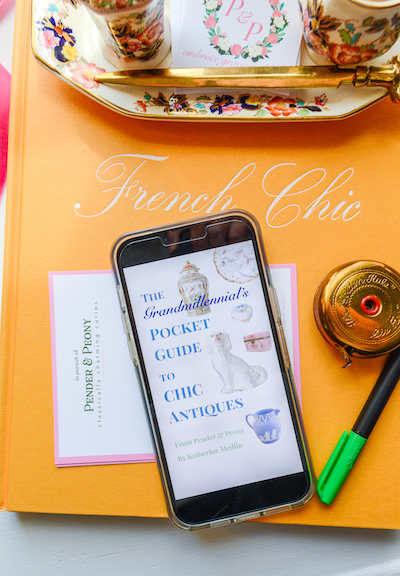
Fakes, Reproductions, & False Labels...
Everywhere!
So many antique malls don't even have antiques!
When hunting treasures how do you know what is authentic and not mislabeled?
You need to educate yourself ASAP, so you're not wasting money on knock-offs!
But how do you sift through all the millions of articles and books out there to get to the point?
Hi there! I'm Katherine...
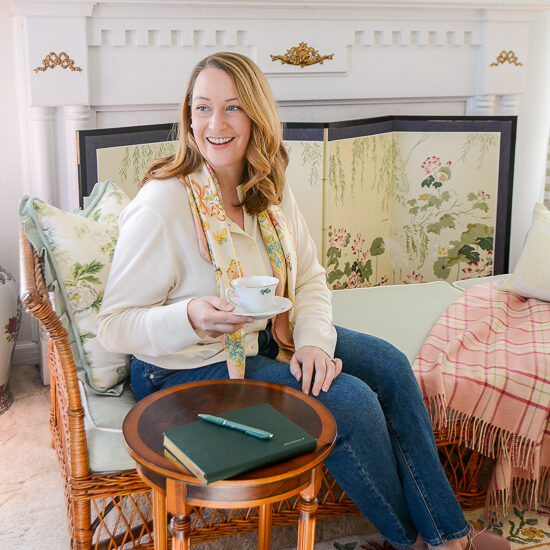
the curator, writer in residence, and decorator behind Pender & Peony.
I’ve decorated my entire 1960s brick colonial with secondhand finds and antiques on a budget without sacrificing style, quality, or comfort.
You CAN have a traditional home with timeless charm on a budget too!
The problem isn't your taste -- it's an industry that glorifies the next big trend and only showcases high end custom design.
That's why I created The Collected Room Method to teach you my approach to the collected interior!