The Majolica & Oyster Collection
Presenting a very exciting collection of antique oyster plates and Griffen, Smith & Hill Etruscan Majolica!
Collected across the Eastern Seaboard these pieces represent the beautiful array of Victorian ceramics from Limoges hand painted florals to Majolica bursts of color.
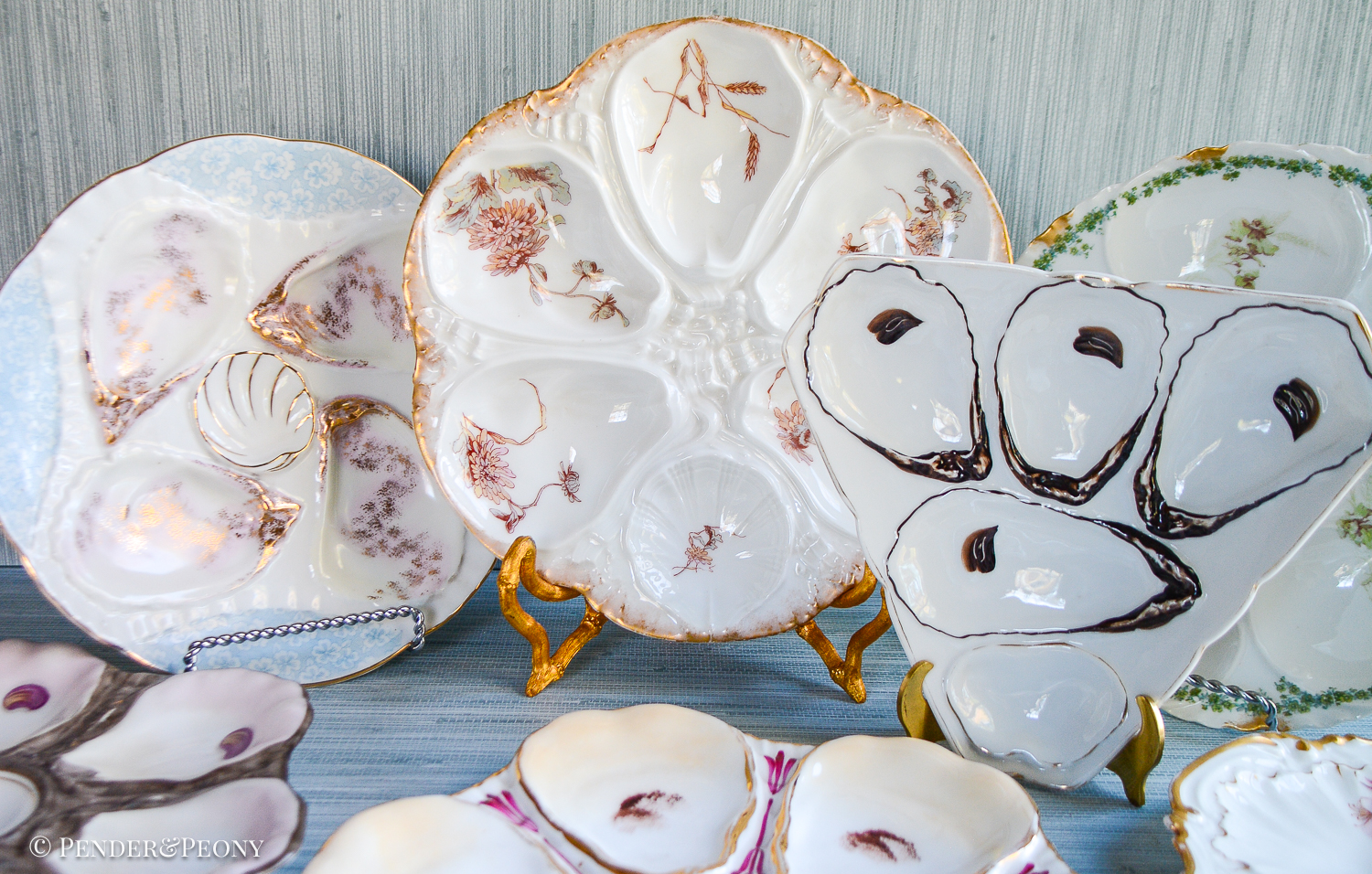
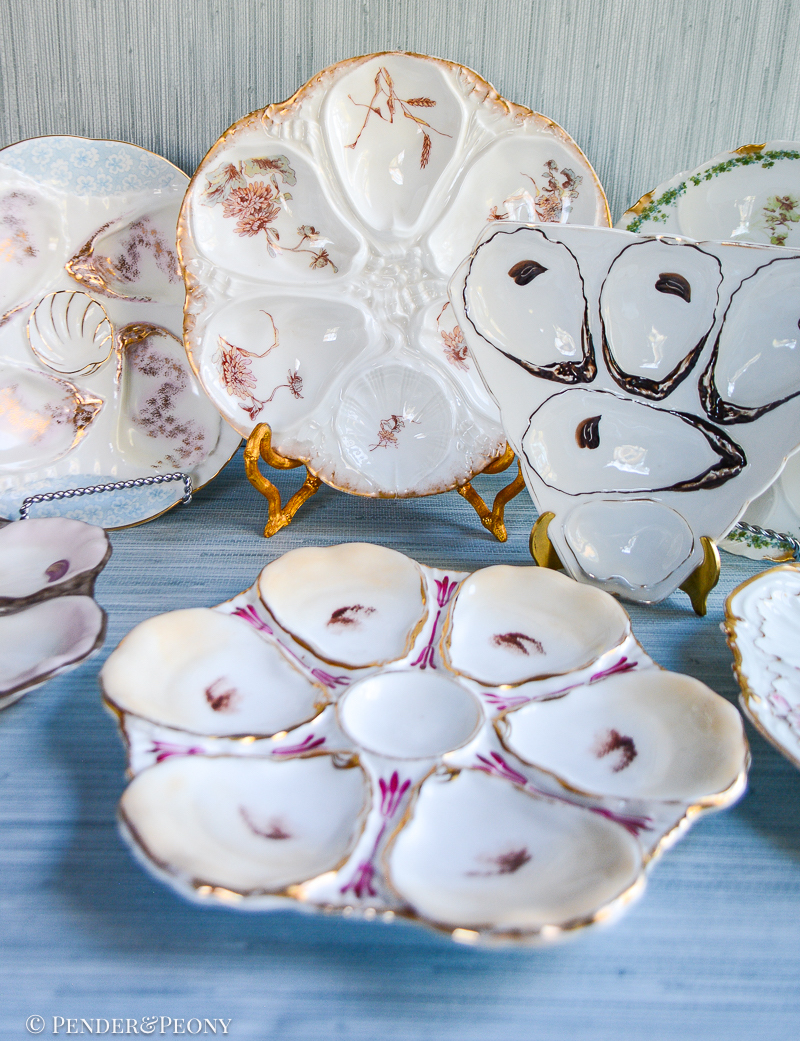
Oyster Plates
On the history of oyster plates...
From the mid-1800’s on oysters delighted refined Victorians at elegant dinners from Europe to America as a requisite premier cours! Manuscript cookbooks as well as home etiquette and domestic guides listed them as a must on dinner menus.
Seafood was increasingly available to middle and upper class Victorians regardless of proximity to the sea as transportation from the water inland increased in speed and reach and the production and keeping of ice improved. Service à la Russe in which servants bring each course to the table on platters to be served and/or pre-plated became popular roughly at the same time. The Victorian’s simply loved their tableware and dining accessories: thus the oyster plate!
A plate made especially to hold only one thing: oysters. With little wells for the oysters to nestle in and indentations for condiments, oyster dishes are an elegant solution to serving and displaying the requisite premier cours! Oysters could be served baked, raw, on the half shell or shucked. They were also popular in pie type pastries and as stuffing.
Oyster plates come in a wide variety of styles and colors - highly adorned and beautifully simple. They were made by a variety of ceramic makers in France, Germany, America, and beyond.
- Sale!
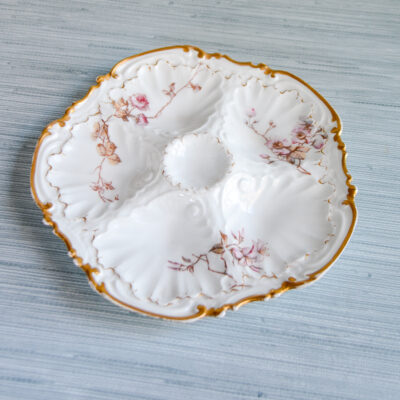
Antique Coiffe et Cie Oyster Plate
Original price was: $119.00.$107.00Current price is: $107.00. Add to cart -
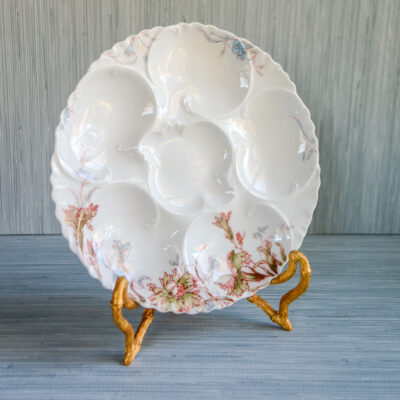
Antique Haviland Limoges Floral Oyster Plate
$129.00 Add to cart -
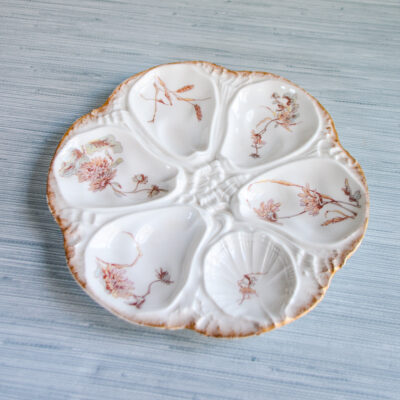
Antique Limoges Oyster Plate with Florals
$139.00 Add to cart -
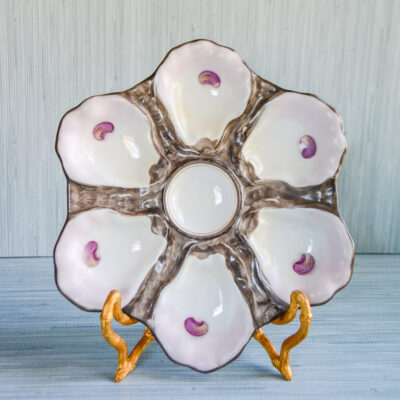
French Limoges Majolica Style Oyster Plate
$149.00 Read more -
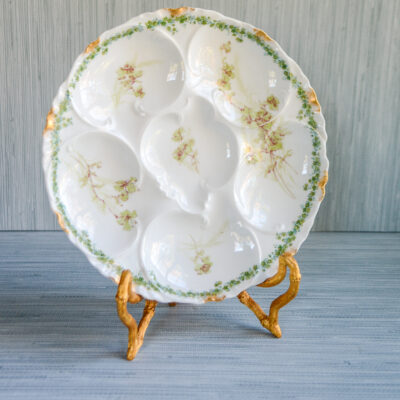
Haviland Limoges Green Floral Oyster Plate
$139.00 Add to cart -
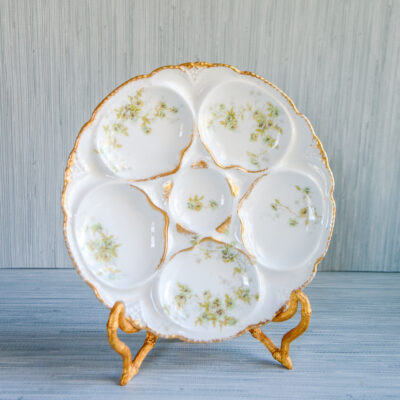
Theodore Haviland Limoges Oyster Plate, Green Florals
$119.00 Add to cart -
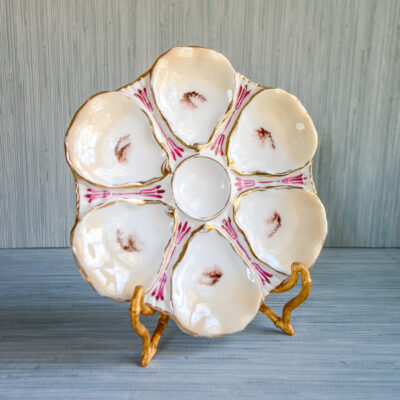
Tielsch Cream & Pink Oyster Plate, Antique
$129.00 Read more -
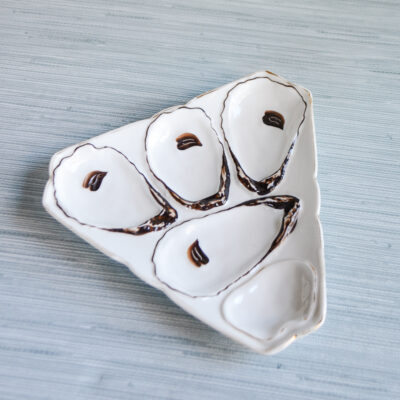
Trompe L’Oeil Triangle Oyster Plate
$89.00 Read more - Sale!
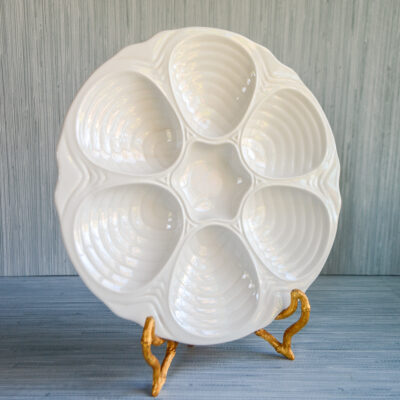
Vintage Hall Pottery Oyster Plate
Original price was: $44.00.$27.00Current price is: $27.00. Read more -
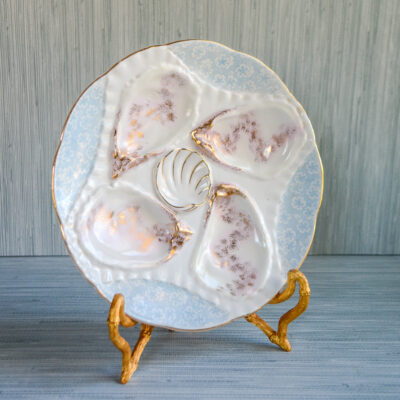
Weimar Oyster Plate in Blue and Pink
$129.00 Read more
Majolica
On the history of Majolica & Griffen, Smith & Hill...
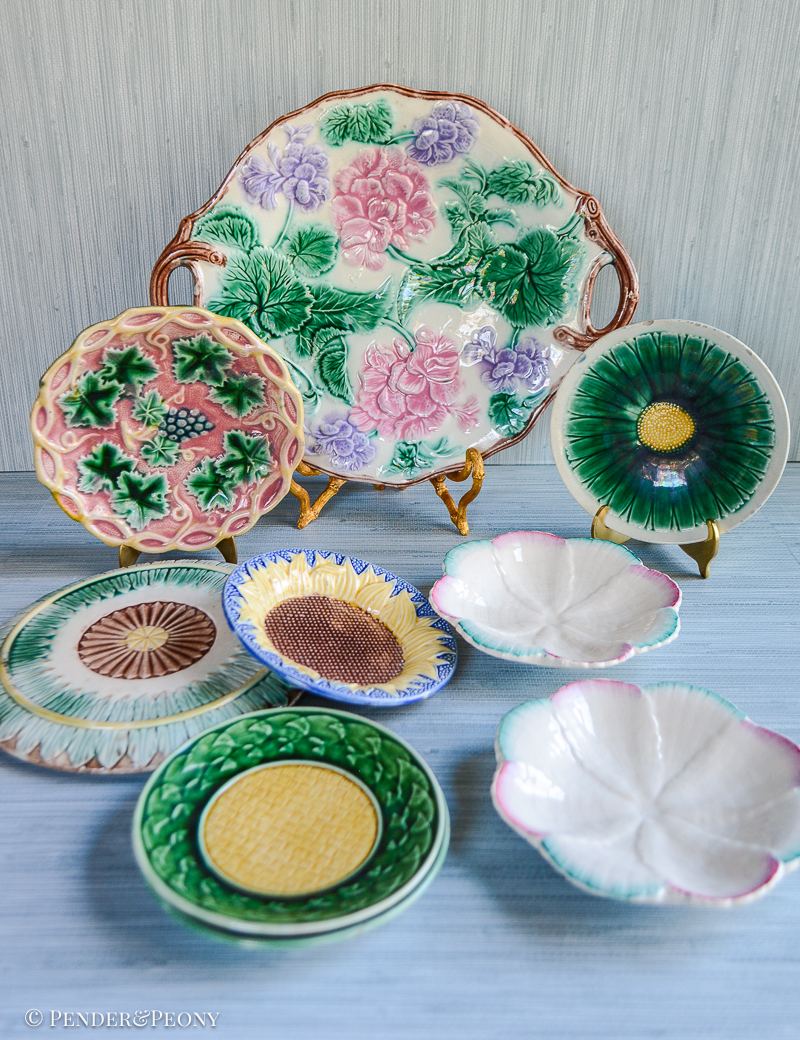
Today, Majolica mostly refers to the Victorian pottery popularized by the English ceramicist Herbert Minton at the Great Exhibition in 1851. It is an earthenware fired to biscuit stage then coated with opaque lead or tin glaze. After drying, majolica pottery was hand painted with metal oxide glazes and fired again to produce the luster surface. Majolica takes many forms, including plates, urns, vases, tableware, and decorative objects.
Majolica quickly caught on among Europe’s middle and upper classes and by 1860 more than 30 major majolica manufactures thrived. Many of the most popular forms were focused on the natural world and probably delighted Victorian consumers who were increasingly leaving countryside behind for urban dwelling. Some of the important manufacturers of Majolica included: Minton, Wedgwood, Griffen, Smith & Hill, Onnaing, and Salins.
By the mid-1870s the popularity of European Majolica had captured the attention of potters in the United States. Griffen, Smith & Hill Company founded in 1879 was one of the major producers of American Majolica known for its quality “Etruscan Majolica” with distinctive glazes and vibrant, rich colors. Located in Phoenixville, Pennsylvania, GS&H was founded by brothers George and Henry Griffen and Staffordshire-trained potters David Smith and William Hill.
Popular among Victorian buyers and today's collectors are the shell and seaweed wares, bamboo wares, sunflower series, and the vibrant geranium and begonia themed pieces.
-
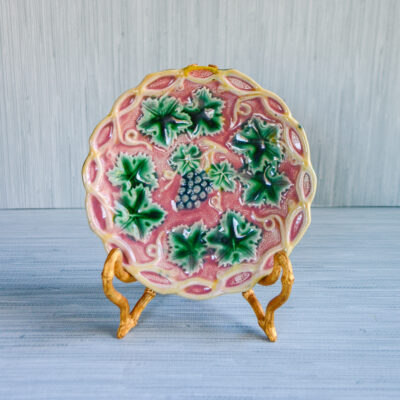
Etruscan Majolica Grape Plate
$47.00 Read more -
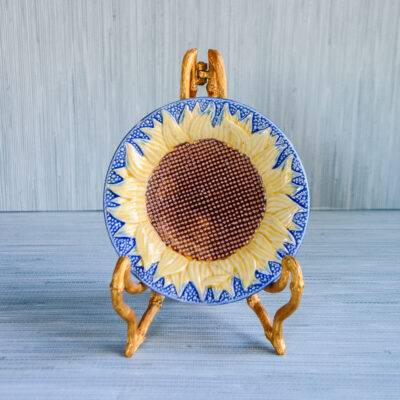
Etruscan Majolica Sunflower Saucer, GS&H
$57.00 Read more -
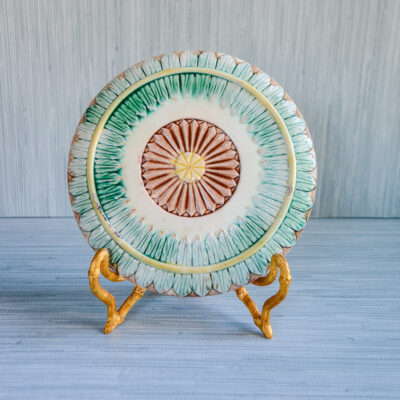
Etruscan Majolica Trivet, GS&H
$42.00 Add to cart -
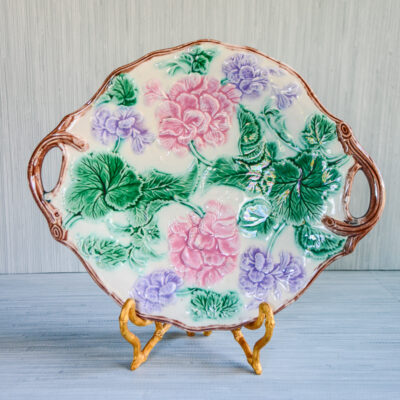
Griffen, Smith & Hill Etruscan Geranium Cake Plate
$167.00 Read more -
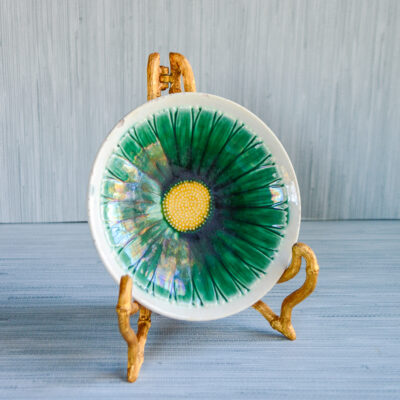
Griffen, Smith & Hill Etruscan Green Flower Saucer
$32.00 Add to cart - Sale!
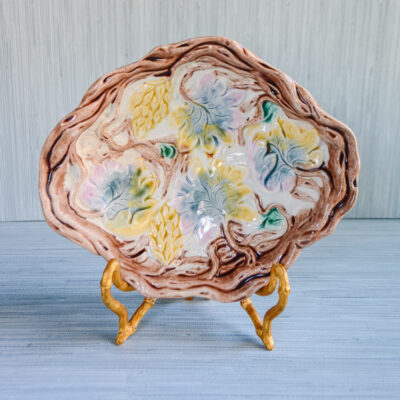
Griffen, Smith & Hill Etruscan Majolica Hops Bowl
Original price was: $79.00.$63.00Current price is: $63.00. Add to cart -
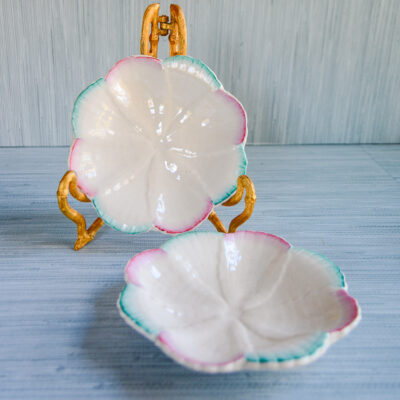
Pair of Etruscan Majolica Shell Dishes, GS&H
$57.00 Read more
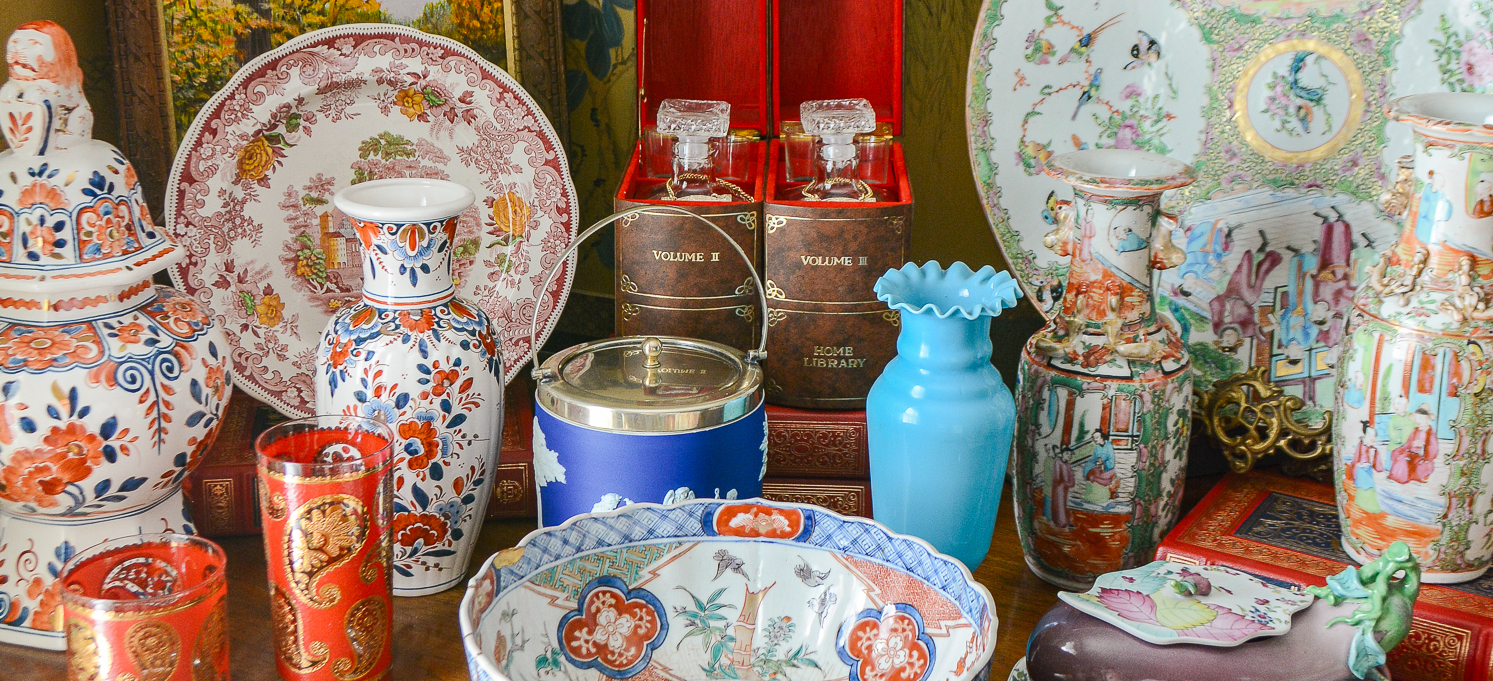

SEPTEMBER ANTIQUES COLLECTION
As always here at P&P, I'm hunting classically charming curios -- timeless antiques and vintage that are season-less and chic. This collection truly embodies that! Each piece is unique, beautiful, and classic.
Any one of these will bring warmth and charm to your decor in the coming chilly months, but they are certainly traditional pieces that can grace your home for decades to come!
This collection features an eclectic mix:
Rose Medallion
Chic barware
Coveted Mottahedeh
Asian silk screens
Imari
Wedgwood
Delft
Scroll through the listings below to shop!
Shop the Collection:
Click on a photo below to see the full listing with detailed photos of each piece and the description.
-
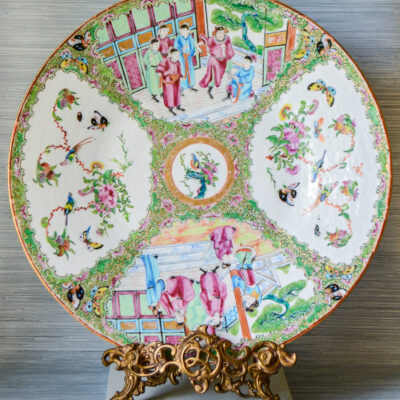
Antique Rose Medallion Charger
$469.00 Read more -
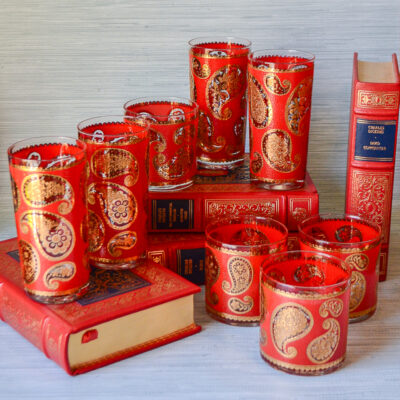
Vintage Culver Red Paisley Glasses
Price range: $67.00 through $73.00 Select options This product has multiple variants. The options may be chosen on the product page -
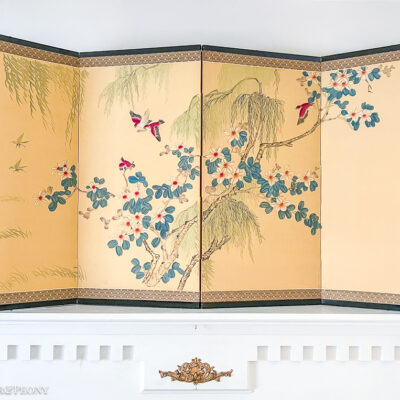
Vintage Chinese Silk Folding Screen, Pink Birds, Signed
$329.00 Add to cart - Sale!
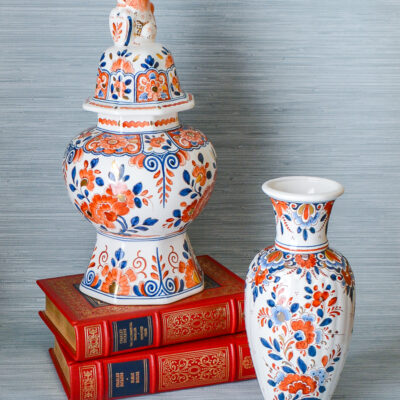
Polychrome OUD Delft Jar & Vase
Price range: $63.00 through $104.00 Select options This product has multiple variants. The options may be chosen on the product page -
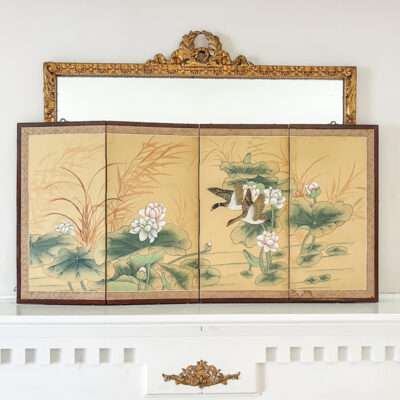
24”H Vintage Chinese Folding Screen with Ducks and Lotus
$167.00 Read more - Sale!
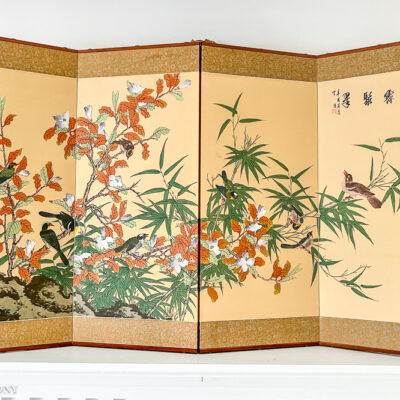
Vintage Chinese Folding Screen with Birds and Bamboo, Signed
Original price was: $349.00.$275.00Current price is: $275.00. Add to cart -
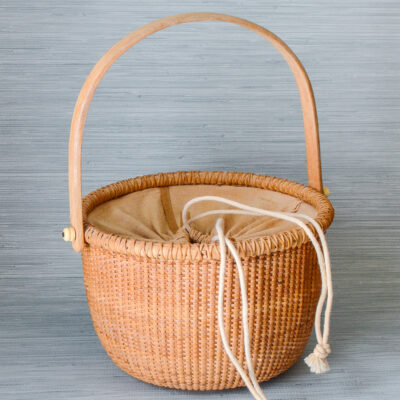
Nantucket Style Lightship Basket
$87.00 Add to cart -
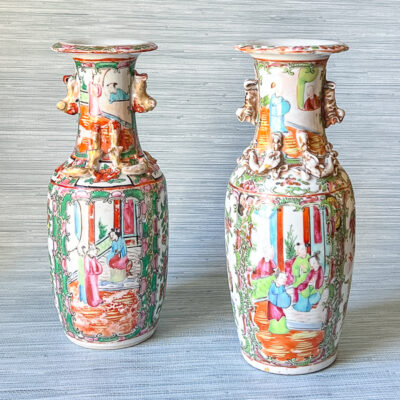
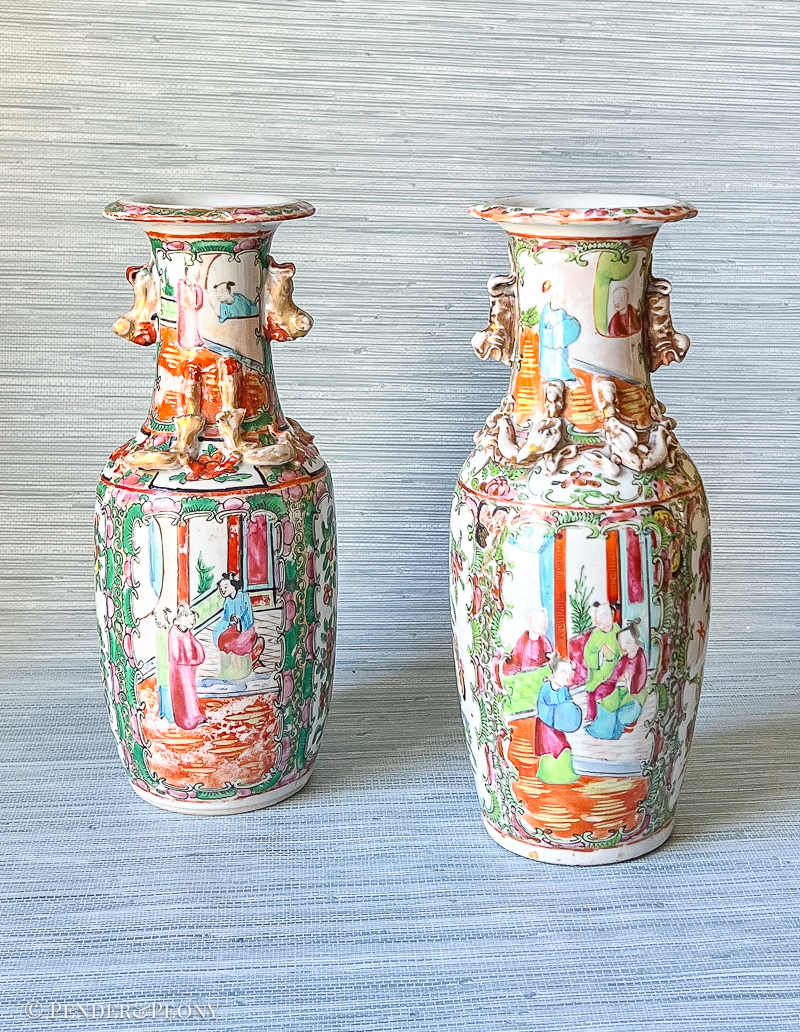
Near Pair of Rose Medallion Vases
Price range: $179.00 through $193.00 Select options This product has multiple variants. The options may be chosen on the product page -
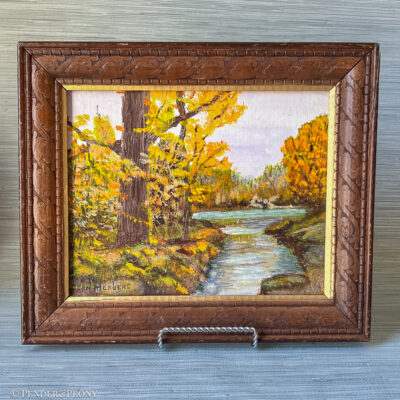
Autumnal Landscape Painting on Board
$73.00 Add to cart -
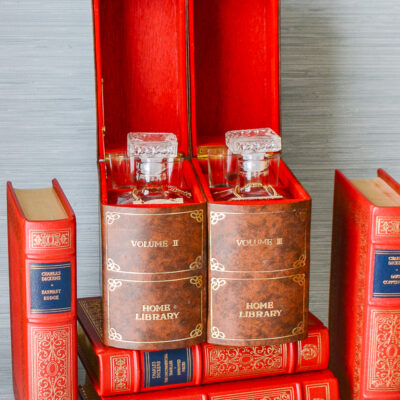
Faux Book Tantalus with 2 Decanters
$109.00 Read more - Sale!
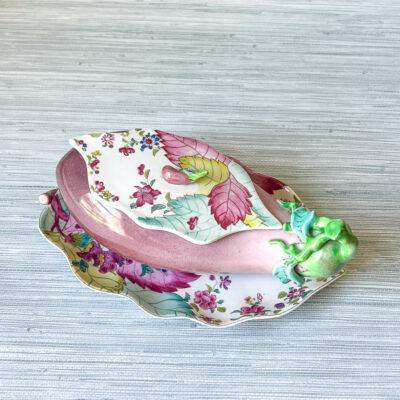
Mottahedeh Tobacco Leaf Eggplant, Rockefeller Collection
Original price was: $349.00.$275.00Current price is: $275.00. Add to cart -
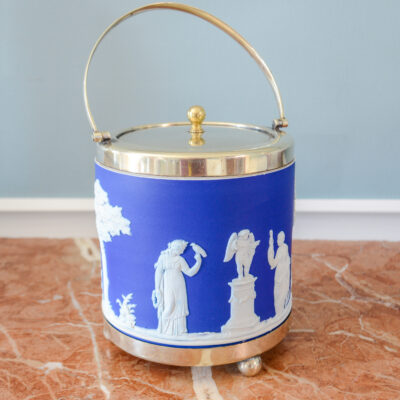
Blue Wedgwood Dipped Jasper Biscuit Barrels
Price range: $87.00 through $109.00 Select options This product has multiple variants. The options may be chosen on the product page -
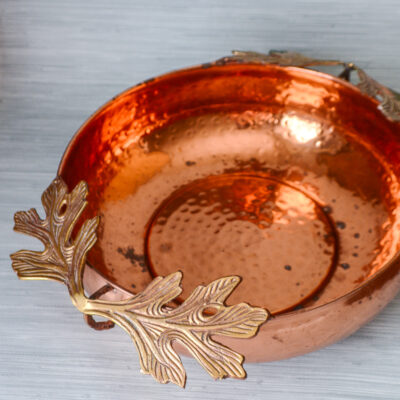
Copper and Brass Oak Leaf Bowl
$67.00 Read more -
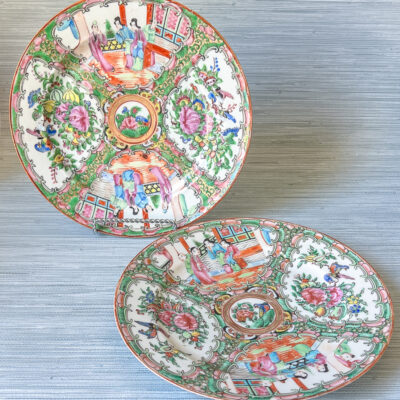
Rose Medallion Dinner Plates
$73.00 Read more - Sale!
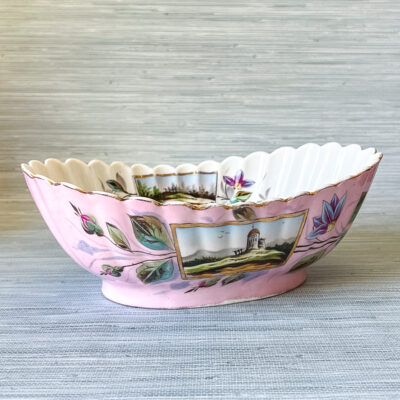
Pompadour Pink Fluted Bowl with Landscape Scenes
Original price was: $69.00.$53.00Current price is: $53.00. Add to cart -
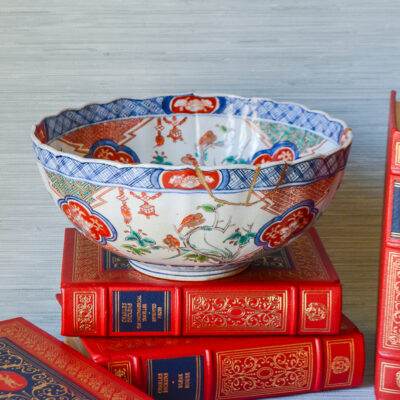
Japanese Imari Bowl with Kintsugi Repairs
$57.00 Read more - Sale!
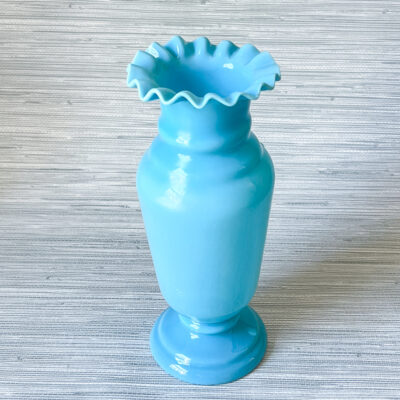
Fluted Aqua Opaline Bristol Vase
Original price was: $42.00.$34.00Current price is: $34.00. Add to cart - Sale!
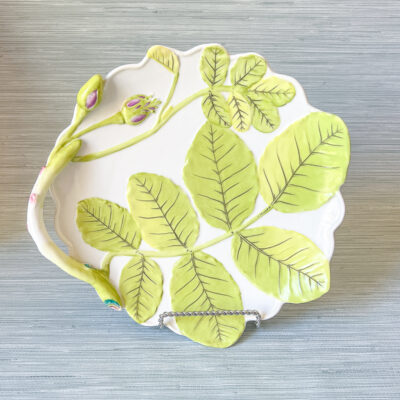
Williamsburg Blind Earl Replica Dish
Original price was: $39.00.$29.00Current price is: $29.00. Add to cart -
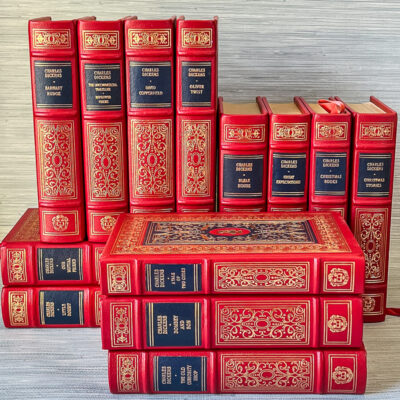
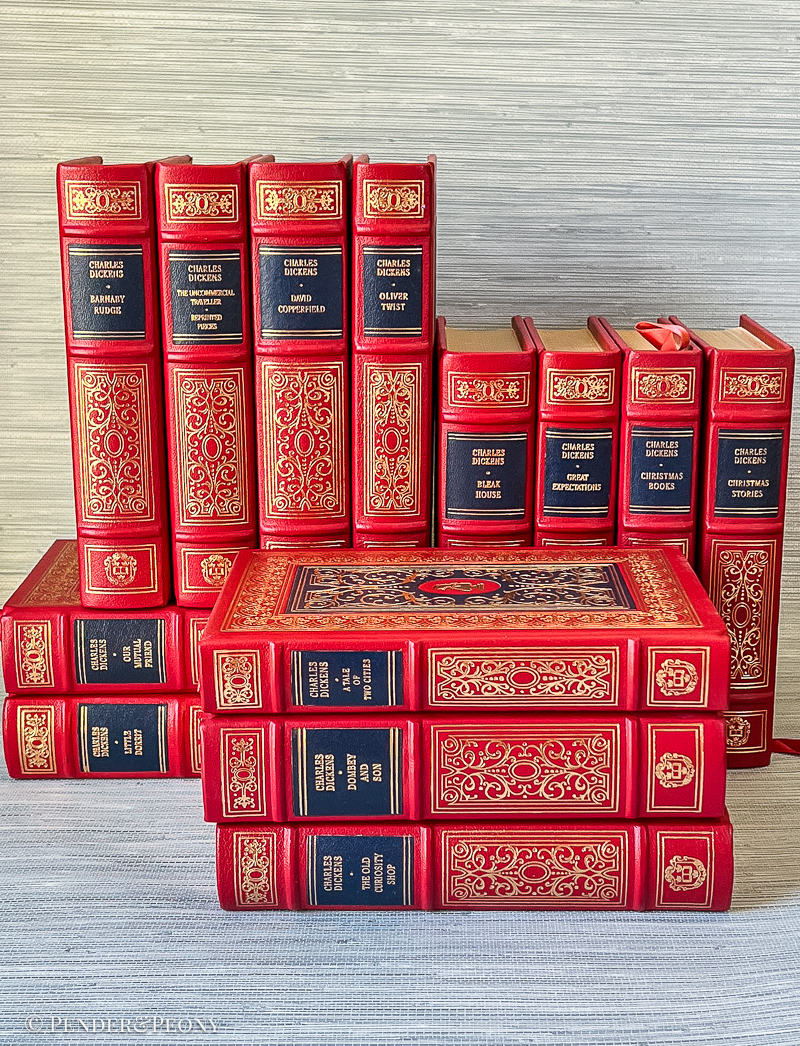
Oxford Library of Charles Dickens, Red Leather Books
$1,299.00 Add to cart - Sale!
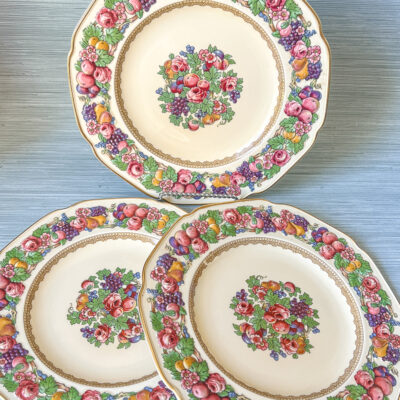
3 Crown Ducal Florentine dinners
Original price was: $57.00.$43.00Current price is: $43.00. Add to cart -
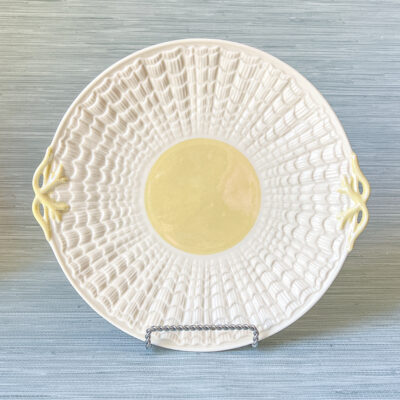
Belleek Tridacna Cake Plate
$49.00 Read more
To Learn More About Collecting Antiques
Start Here!